Article
Alin Iacob – the bridge builder
Article
Alin Iacob – the bridge builder
Business insights, Innovation and development, AI
February 26, 2026
Alin Iacob – the bridge builder
Business insights, Innovation and development, AI
February 26, 2026
Article
Alin Iacob – the bridge builder
Business insights, Innovation and development, AI
February 26, 2026
Article
Alin Iacob – the bridge builder
Business insights, Innovation and development, AI
February 26, 2026
26/2/2026
Business insights, Innovation and development, AI
Beyond the screwdriver
In 2023, treating AI as an extra tool in the toolbox was a winning mindset. It was the era of the AI assistant, helping developers write functions or helping marketers draft copy. But Iacob argues that we have moved past the phase of minor efficiency gains.
“The mistake is thinking incrementally in the face of a big structural shift,” Iacob explains. “The deeper transformation is about how your entire engineering process changes when execution is delegated to AI. It changes how teams are structured, how quickly an idea moves to production. A single team can now handle multiple value streams that used to require entire departments.”
By automating the technical execution, Iacob believes we are actually raising the bar for human judgment. The role of the engineer is shifting away from being a mere builder and toward being a product thinker and a curator of value.
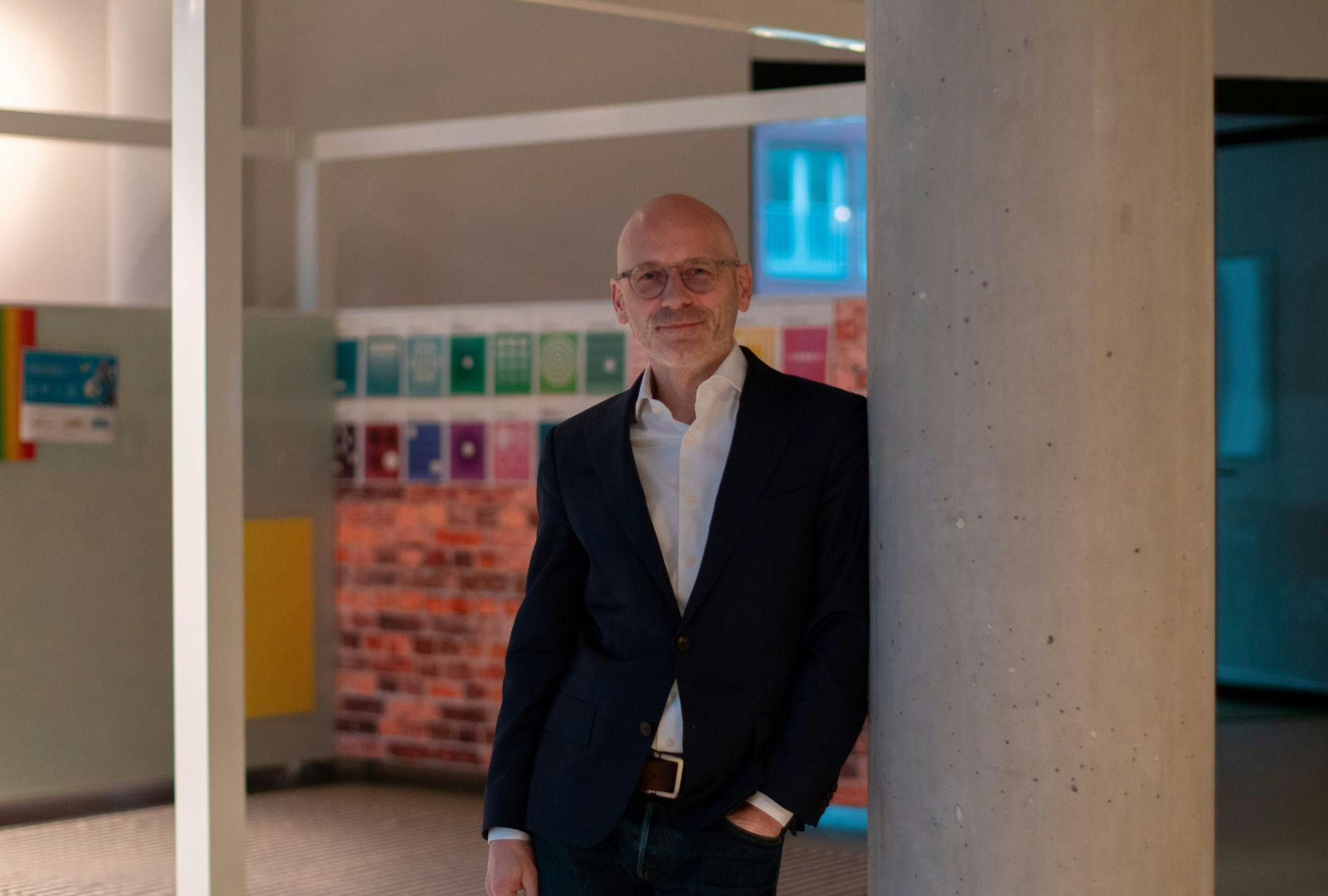
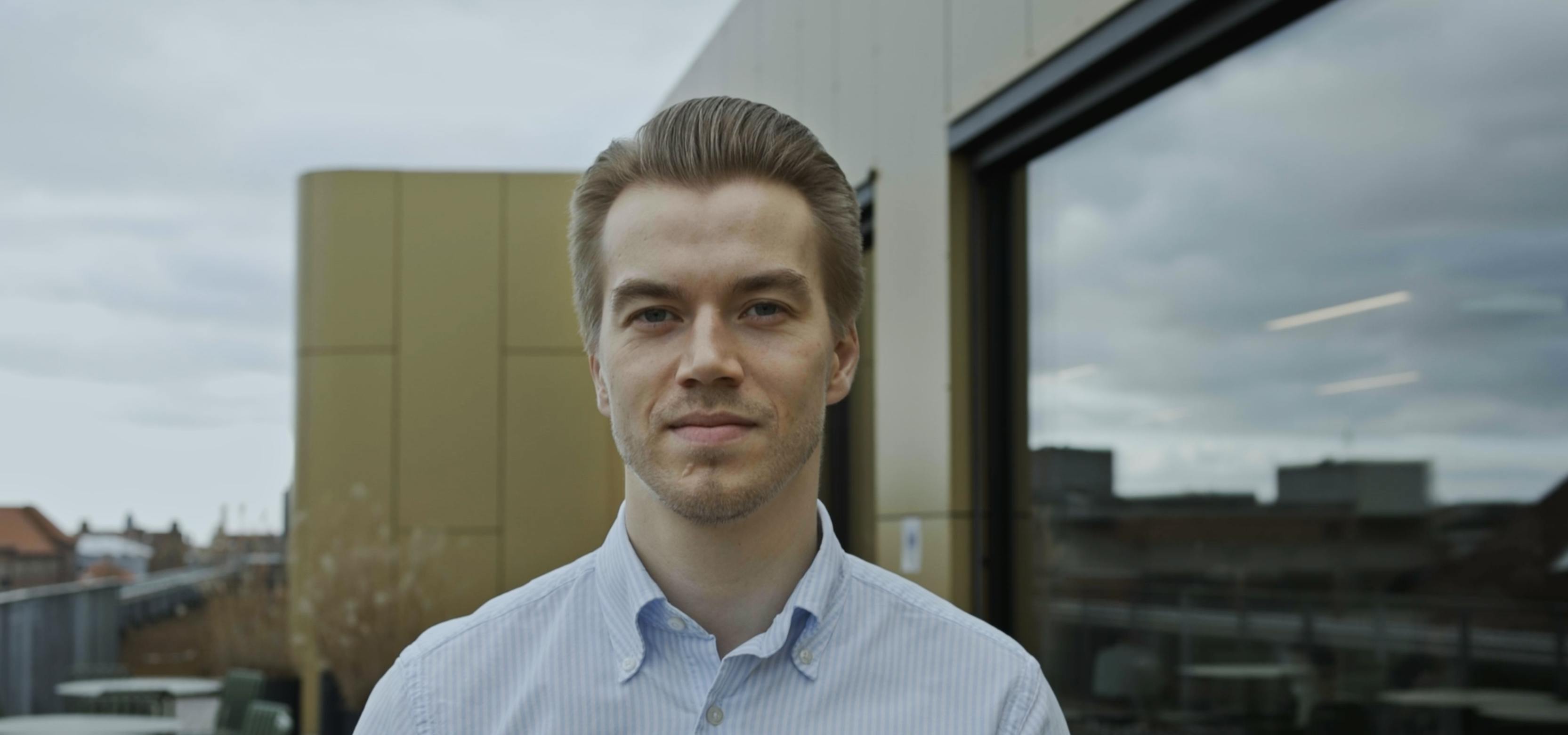
Meet Alin Iacob
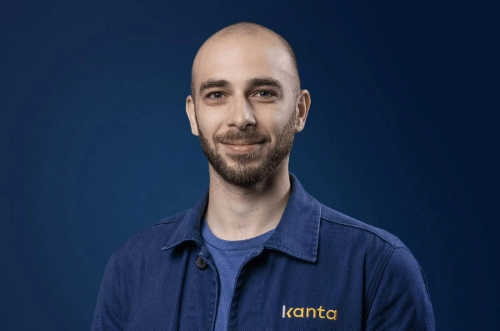
He’s the Head of AI Engineering and Technology at Visma, acting as a strategic bridge between high-level engineering and commercial business value. With a deep background in software architecture, he has shifted his focus from building code to helping Visma’s federation of companies make smart, long-term technology bets.
He leads a team dedicated to identifying impactful industry developments, vetting AI tooling, and upskilling thousands of engineers.
“Rather than just solving technical problems, my mission is to provide the leverage at the centre of the group,” Iacob says. “It's about helping founders and leaders move beyond incremental gains to achieve structural transformations in how they build software.”
Learning hard lessons alone
For a standalone software company, every experiment is a lonely battle. Independent founders often operate in a vacuum, making critical technology bets based on a sample size of one. They pay for their own mistakes and negotiate their own vendor agreements.
At Visma, Iacob’s team provides what he calls “leverage at the centre."
“A standalone company has to learn hard lessons alone,” says Iacob. “But at Visma, we are able to compare real impact data across hundreds of engineering teams. We see what worked and what didn't in real-time. This dramatically shortens the learning curve and allows us to skip the failures that slow everyone else down.”
Becoming 20x more efficient
Iacob recalls a recent engagement with a Visma company at a crossroads. They had to decide: do we accelerate our current tech stack with AI, or do we reinvent the way we work entirely?
By partnering with Iacob’s team, the company realised it could move beyond simple patches.
“We helped them unlock speeds up to 20 times faster than their current capabilities,” Iacob says. “We are seeing compressed timelines where initiatives that would have taken years are now done in a few months, or even days. That only happens when you change the architecture, not just the tool.”
To ensure this speed is accessible to everyone, Iacob’s team has already upskilled close to 3,000 engineers within Visma. In surveys conducted a month after these workshops, 90% of participants reported being significantly more efficient.
The box is always bigger
Despite the high-tech nature of his work, Iacob’s best advice for founders and leaders is surprisingly human.
“Optimise for leverage, not just autonomy,” he advises. “Autonomy is a strength, but the real competitive advantage comes from tapping into the shared knowledge and proven patterns of the group. The box is always bigger than you think it is.”
His final golden nugget for those struggling with the transition?
“Don’t give up when you hit a roadblock. Often, it isn’t the technology failing, it’s the technique. Keep experimenting, keep an open mind. And remember: as execution becomes a commodity, your vision and judgment are your most valuable assets.”

About the episode
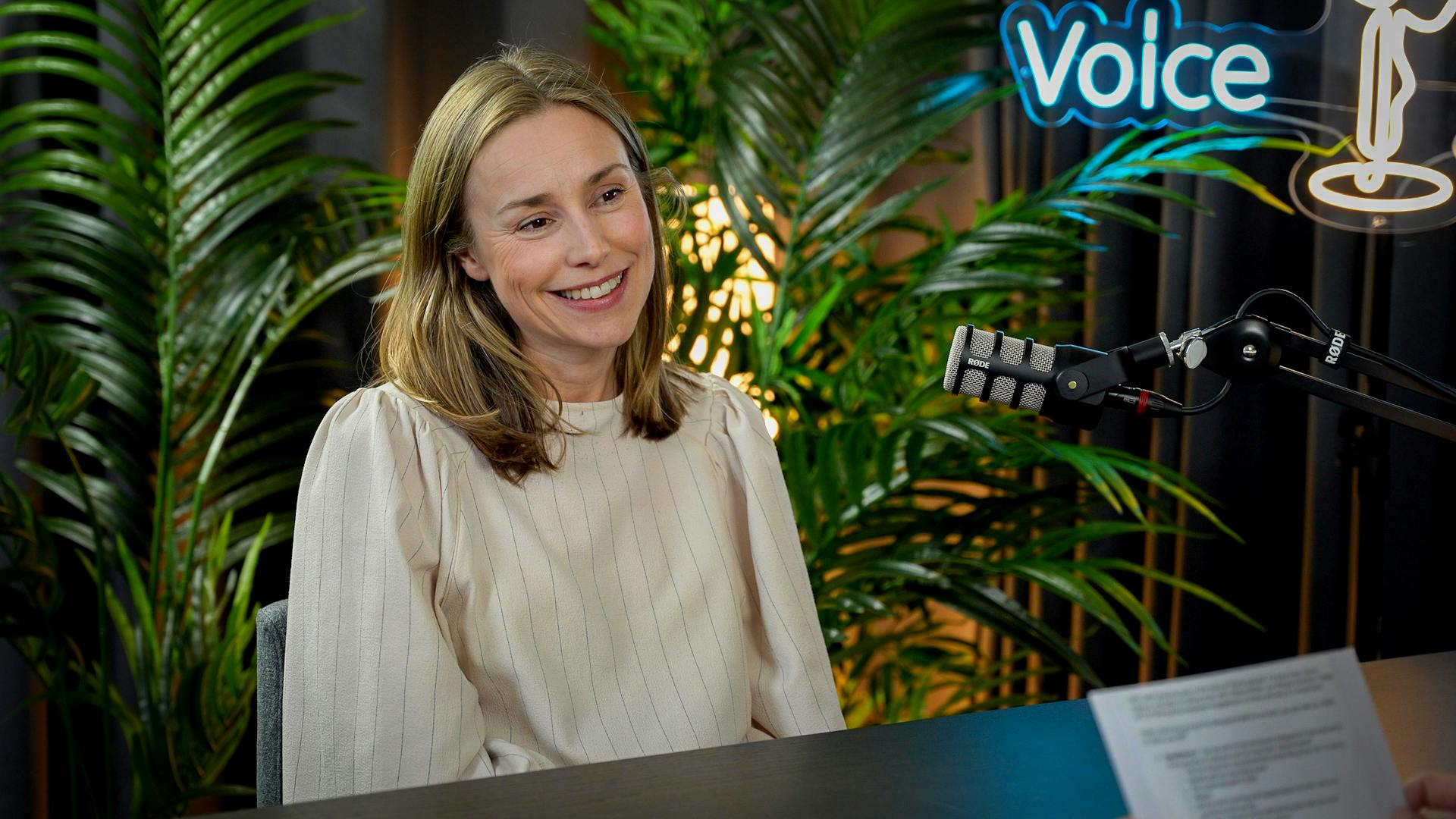
Voice of Visma
Welcome to the Voice of Visma podcast, where we sit down with the business builders, entrepreneurs, and innovators across Visma, sharing their perspectives on how they scale companies, reshape industries, and create real customer value across markets.

Diana Kigyossy

Benedikte Lyngbø

Holli Hatherly

Berit Braut

Mandy Burger

Victoria Bondarchuk

Jet Bouwman

Brian Ye

Lilja Helgadottir

Carina Ramsøy

Kejsi Gjordeni

Martin Olstad

Claus Dahl

Vlad Boldura

Kaja Falck-Ytter

Linn Kjærland

Ida Nicoline Glosimot

Stina Wahlsten

Pieter Bijl

Emily Northway

Rie Jørgensen

Henriette Veiby

Magnus August Lien

Philip Scarampi

Ari-Pekka Salovaara

Helle Hobbelhagen

Alexander Lystad

Ida Strande Markman

Amanda Lundius Mörck

Isabel Arkvik

Gina Ross Eriksen (former employee)

Juliette Prado (former employee)

Anne-Grethe Thomle Karlsen (former employee)
Related content