Insights
Insights
Article
Conta Azul: Built so others don’t repeat the pain
Business & Strategy
29/1/2026
Article
Conta Azul: Built so others don’t repeat the pain
Business & Strategy
January 29, 2026
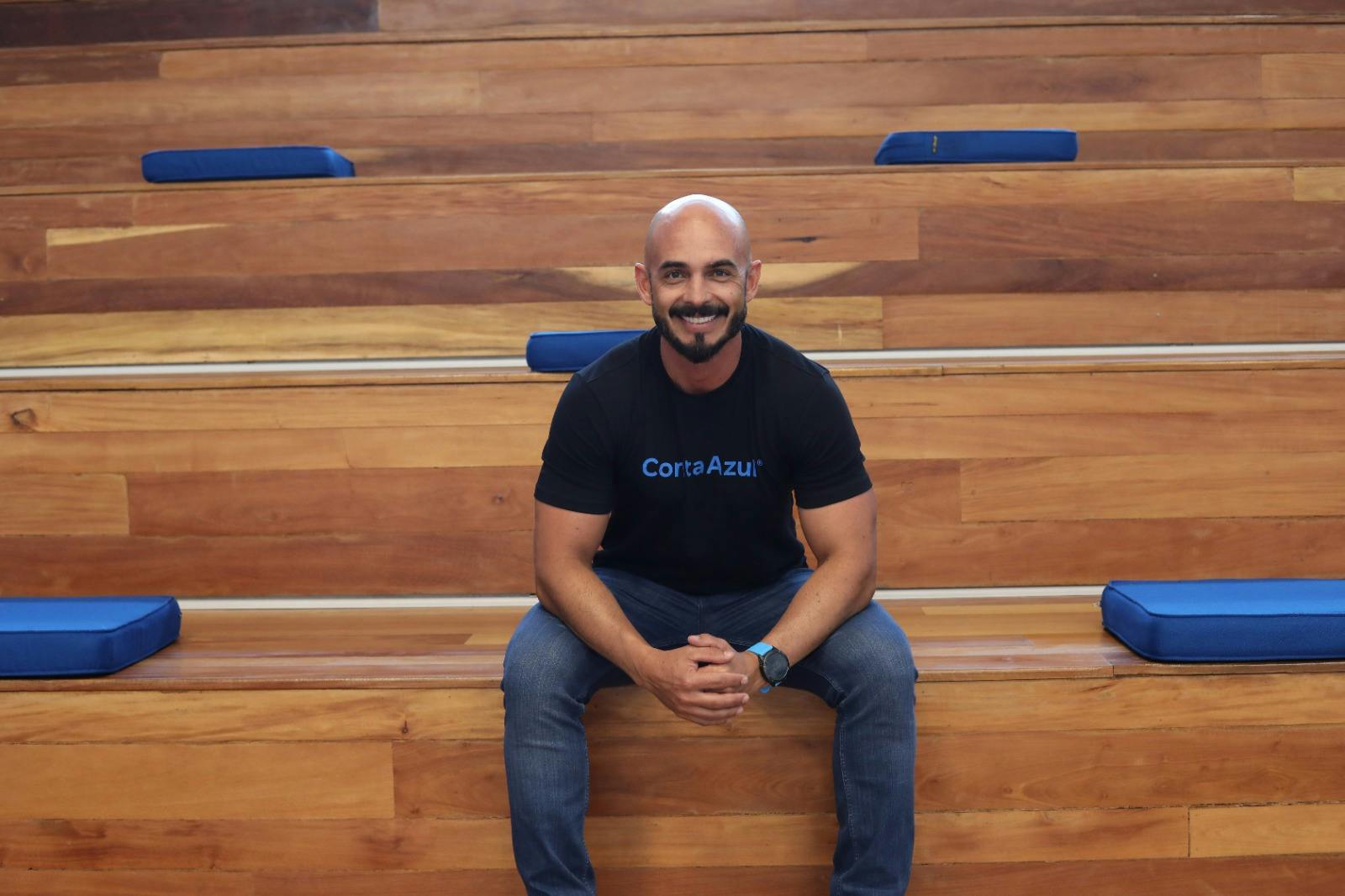
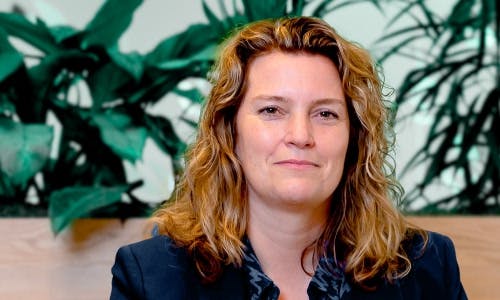
Vinicius Roveda, founder of Conta Azul, is driven by a memory: watching his grandmother’s business collapse not from a lack of passion, but from a lack of financial control. Today, he is working to ensure a Brazilian SMBs never have to face that same chaos.
Article
Conta Azul: Built so others don’t repeat the pain
Business & Strategy
29/1/2026
Article
Conta Azul: Built so others don’t repeat the pain
Business & Strategy
29/1/2026
Vinicius Roveda, founder of Conta Azul, is driven by a memory: watching his grandmother’s business collapse not from a lack of passion, but from a lack of financial control. Today, he is working to ensure a Brazilian SMBs never have to face that same chaos.
Article
Conta Azul: Built so others don’t repeat the pain
Vinicius Roveda, founder of Conta Azul, is driven by a memory: watching his grandmother’s business collapse not from a lack of passion, but from a lack of financial control. Today, he is working to ensure a Brazilian SMBs never have to face that same chaos.
Business & Strategy
January 29, 2026
Vinicius Roveda, founder of Conta Azul, is driven by a memory: watching his grandmother’s business collapse not from a lack of passion, but from a lack of financial control. Today, he is working to ensure a Brazilian SMBs never have to face that same chaos.
Purpose becomes product
For Vinicius Roveda, the story of Conta Azul is the story of his upbringing. As a boy, he watched his grandmother pour her heart into her small store, only to see it crumble under financial mismanagement.
“What stayed with me the most was seeing her eyes shine when she talked about her business,” says Roveda. “I wanted to help people like my grandmother avoid going through the same situation.”
That desire to protect the passion of entrepreneurs became the foundation of Conta Azul. Not to chase a market trend, but to address a pattern he could no longer ignore: in Brazil, millions of small businesses work relentlessly. And far too many fail for reasons that aren’t about lack of talent, but lack of financial clarity.
“In Brazil, a healthy company is one whose bank account is ‘blue.’ It signifies that a company is doing well. That it’s financially healthy,” explains Roveda. “Conta Azul literally means ‘blue account.’”
Getting there required ruthless focus for Roveda and his team. A pivotal trip to Silicon Valley helped them realize that adding features wasn’t the answer, simplification was. They stripped the product back to what truly mattered for small business owners, creating a tool that offers relief rather than complexity.
Culture is the soul
As Conta Azul scaled, Roveda realized that a company cannot rely solely on the founder’s energy. It needs a robust culture. He views culture not as an intangible vibe, but as a structural necessity.
“Culture is the soul of the company. It is how you give feedback, how you evaluate people and how you make decisions,” he says.
For Roveda, this meant making hard decisions and professionalizing the business.
“You can’t really change a company’s culture unless you are the founder,” he adds, noting that building a company designed to last means building one that can eventually outgrow its creator.
Enter Visma
When Visma entered the conversation, Roveda wasn’t looking for a quick exit. He was looking for a partner that understood the delicate balance of local needs and global strength.
“I remember leaving that first meeting thinking: how have I never heard about this company before?” Roveda recalls.
He did what careful founders do when they’re not being seduced by headlines: he researched, visited, spoke to other founders in the group, and actively looked for red flags. Cultural, strategic, human? But he couldn’t find them.
What he did find was that Visma respected local leadership while providing the support needed to scale.
“Visma thinks globally, but truly understands that the future is built locally,” he says.
A company that can breathe
This partnership allowed Conta Azul to maintain its autonomy while leveraging the expertise of a European software giant. Running a high-growth company requires more than business acumen. It requires personal stamina, and Roveda approaches his health with the same discipline he applies to his company’s finances.
“I believe in balance. Mind, body and family. If I’m strong physically and mentally, I can be better for my family. And a better leader for the company,” he says.
Conta Azul began with a child watching a business fail. It grew into a platform that ensures thousands of others succeed.
For Roveda, the definition of success remains grounded in that original mission: giving business owners control, visibility and peace of mind.
“When we became profitable, I started sleeping better,” he concludes. “A company that can finally breathe is a company that can finally care properly.”
About Conta Azul
- Company: Conta Azul
- Founded: 2007 (Brazil)
- Employees: 700
- Customers: +101K
- What it does: ERP that helps small and medium businesses gain financial clarity.
- Founder lens: Purpose first, product discipline, culture as a system, profitability as a feature.
- Joining Visma: Vinicius approached it as a long-term responsibility, keeping local autonomy while gaining strategic support and a clearer multi-year horizon.

About the episode
Tags
Share

/podcast-series/voice-of-visma




t.jpg)