Article
From collector to navigator: how the Belgian accountant is transforming and why Visma makes the difference
Article
From collector to navigator: how the Belgian accountant is transforming and why Visma makes the difference
Business insights
May 13, 2026

From collector to navigator: how the Belgian accountant is transforming and why Visma makes the difference
Business insights
May 13, 2026
Article
From collector to navigator: how the Belgian accountant is transforming and why Visma makes the difference
Business insights
May 13, 2026
Article
From collector to navigator: how the Belgian accountant is transforming and why Visma makes the difference
Business insights
May 13, 2026
13/5/2026
Business insights
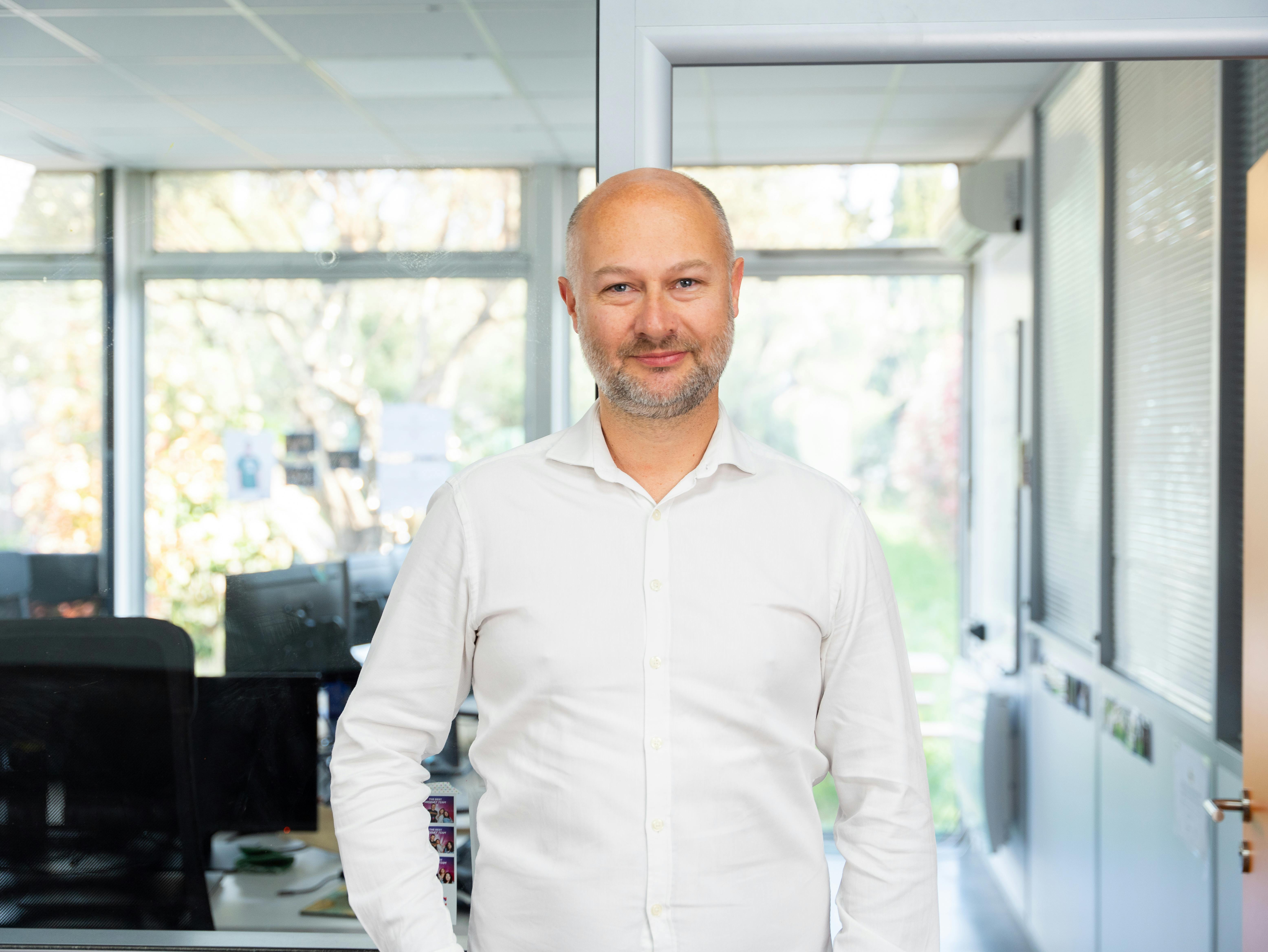
That is how Joris Dresselaers, Business Area Director Belgium at Visma, describes the situation the Belgian accountant finds themselves in today. Not as a criticism. As a fact.
The deadline was not the finish line
The Peppol deadline shook the sector. But anyone who thought e-invoicing was the big change has not yet grasped its scale. The mandate was a starting gun, not a finish line. What lies behind it is more fundamental: the flow of data it has set in motion demands a completely different way of working.
"The clean-up is yet to begin," says Joris Dresselaers. Firms that spent years operating on the principle of getting compliance right now need to learn how to manage the data stream. That is a different discipline. And not everyone is ready for it.
The data reveals a stark contrast. While half of Belgian businesses met the January 2026 Peppol deadline, clients of Dexxter and Yuki were far ahead. By activating early in 2024, Dexxter saw monthly invoice volumes soar from 8,667 to 153,000, a 19-fold increase. Similarly, Yuki’s weekly incoming volume jumped from 20,000 to over 150,000.
"Clients never noticed there was a storm. That is precisely the point."
The winners will be the firms that make that shift proactively, that turn freed-up time into better conversations with their clients. The ones who wait for the next deadline to force their hand will fall behind.
What the outsider underestimates
Belgium is not an easy market to enter. Not because the technology is particularly complex, e-invoicing as a concept is relatively straightforward to build. But processing it correctly within Belgium's specific tax and legal context is a different matter entirely. And the bar is high: accountants today expect solutions to fully deliver. Half-measures do not work.
That is precisely why Visma invests in platforms that know this market from the inside. Yuki supports accountants and entrepreneurs within a single shared environment, from document processing to real-time quality monitoring. Silverfin helps firms structure client portfolios and manage compliance at scale. AdminPulse runs the internal operations of the accounting practice itself: client management, task allocation, capacity planning. And Teamleader gives the entrepreneur on the other side of the table a clear view of their own business.
Each of these platforms was built for the Belgian market. Not adapted. Built.
A striking detail: While the world sees two separate regions, those on the ground see a single industry in flux. Digitalisation is unfolding at nearly the same tempo in Flanders as it is in Wallonia.
AI does not replace the pilot. It changes the cockpit.
This is where most conversations about AI lose the thread. The question is not whether AI will replace the accountant. The question is which part of the work AI takes over and what that frees up.
The greatest impact lies in what Joris Dresselaers calls the most tedious task: manually checking invoices. With the data streams Peppol has set in motion, AI absorbs that work. What remains is management by acceptance: the accountant approves exceptions only. Everything else runs automatically.
At the same time, the insights become richer. More data enables better forecasting: cash flow, scenarios, external variables. The accountant who used to look backwards now looks forwards. Not as a traditional bookkeeper. As a navigator.
"From collector to navigator, that is the shift."
It is not a small adjustment. It demands different skills, a different kind of conversation with clients, and (frankly) a different kind of person. Accounting firms will look and operate differently in three years. Education will need to keep up. And those who do not begin the transition now will lose their footing.
The quiet power of mistakes already made
One of the underestimated advantages of working within a global network: the tuition is paid once.
When the Peppol storm hit the Belgian market, the players already in it were early adopters. They worked out the blueprints, absorbed the friction, and built what works. That knowledge now travels to markets across Europe and Latin America facing the same transition ahead of them. That is the power of scale that still feels local. Choosing what works. Respecting local nuance. Not reinventing the rest.
The client as the final destination
The debate of the past decade was about efficiency. How many invoices can you process? How quickly? At what cost?
The next decade is about something different: customer intimacy. The accountant who truly understands their client (not just their books, but genuinely their business) is the one who stays. Who thinks like a CFO. Who grows alongside them.
AI makes this possible. Not by doing more work, but by removing the routine so that space opens up for what actually matters: time with the client. Advice that makes a difference. A relationship that is more than an annual filing.
The cockpit has changed. The destination has not.

About the episode
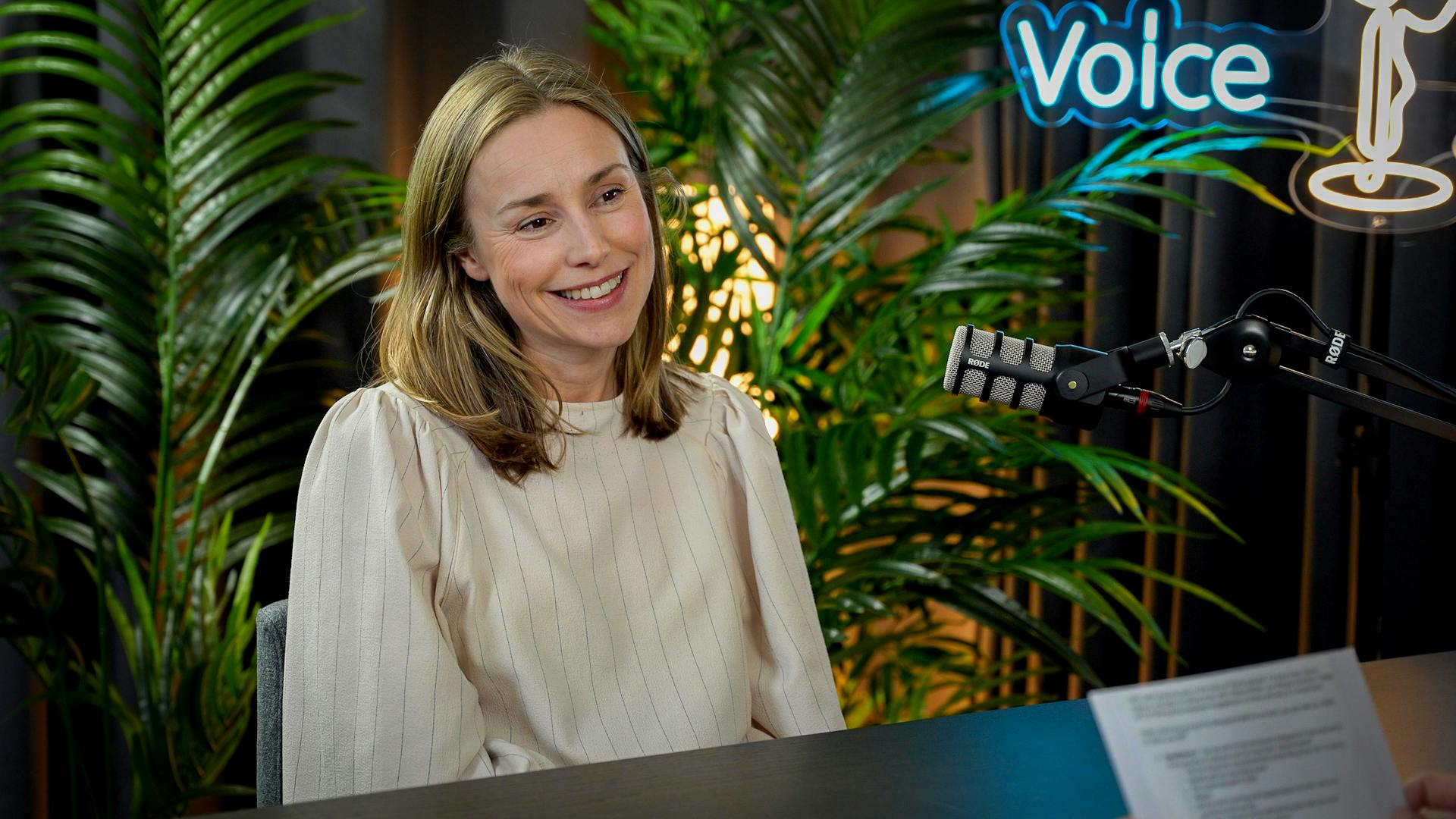
Voice of Visma
Welcome to the Voice of Visma podcast, where we sit down with the business builders, entrepreneurs, and innovators across Visma, sharing their perspectives on how they scale companies, reshape industries, and create real customer value across markets.

Diana Kigyossy

Benedikte Lyngbø

Holli Hatherly

Berit Braut

Mandy Burger

Victoria Bondarchuk

Jet Bouwman

Brian Ye

Lilja Helgadottir

Carina Ramsøy

Kejsi Gjordeni

Martin Olstad

Claus Dahl

Vlad Boldura

Kaja Falck-Ytter

Linn Kjærland

Ida Nicoline Glosimot

Stina Wahlsten

Pieter Bijl

Emily Northway

Rie Jørgensen

Henriette Veiby

Magnus August Lien

Philip Scarampi

Ari-Pekka Salovaara

Helle Hobbelhagen

Alexander Lystad

Ida Strande Markman

Amanda Lundius Mörck

Isabel Arkvik

Gina Ross Eriksen (former employee)

Juliette Prado (former employee)

Anne-Grethe Thomle Karlsen (former employee)
Related content