Article
“Do you hear me? Can you see me?” — The question shaping the future of accounting
Article
“Do you hear me? Can you see me?” — The question shaping the future of accounting
Business insights
April 30, 2026

“Do you hear me? Can you see me?” — The question shaping the future of accounting
Business insights
April 30, 2026
Article
“Do you hear me? Can you see me?” — The question shaping the future of accounting
Business insights
April 30, 2026
Article
“Do you hear me? Can you see me?” — The question shaping the future of accounting
Business insights
April 30, 2026
30/4/2026
Business insights
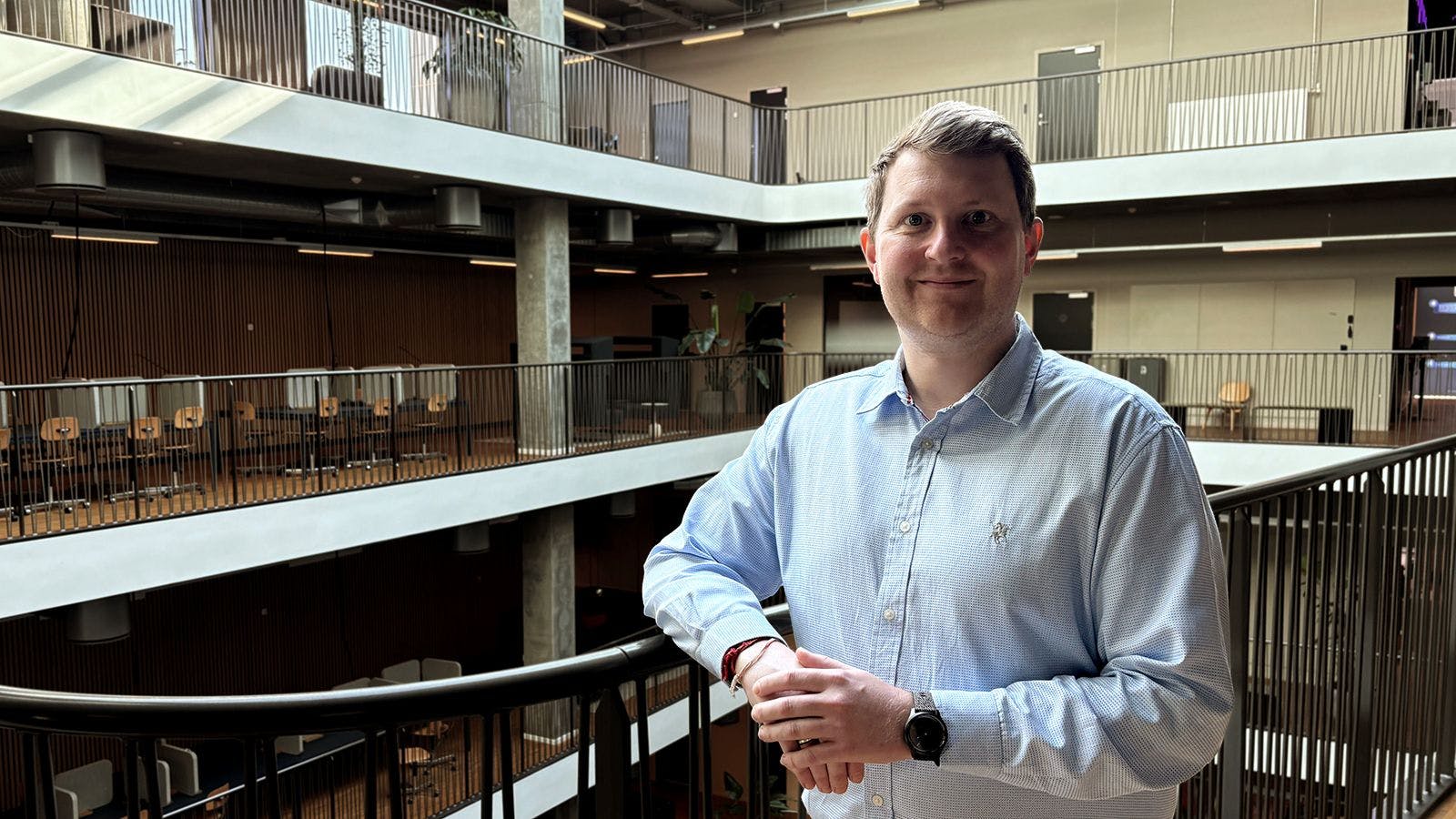
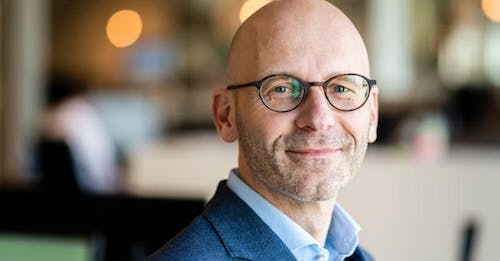
“Asking this question only one way is part of the problem,” says Nebojsha Mihajlovski, Business Area Director at Visma. “What became clear very quickly is that both sides are trying to be heard, but not always listening in the same way.”
Companies like Silverfin, Nmbrs, e-conomic and Holded from the Visma network may operate in different markets, but they are all navigating the same underlying tension. Their customers are overwhelmed with client work, naturally cautious about anything that touches accuracy or compliance, and increasingly expected to integrate AI into how they operate. What stood out in Ghent was not polished positioning, but honest conversations about what actually gets in the way.
What winning looks like
A key question was what a “winning” accounting office looks like in five years.
“Those that will win won’t be the ones using the most AI,” explains Mihajlovski. “They’ll be the ones using AI to do more of the work that actually requires thinking.”
The shift is already underway. AI is moving accounting away from compliance and record-keeping, and towards advisory, interpretation, and real business partnership. Routine tasks are increasingly automated, but that only increases the value of judgment, context, and client understanding.
Competing on cost alone is a race that inevitably leads to commoditization. Someone will always be able to do it cheaper. But the ones that combine judgment with AI create something much harder to replicate, and much more defensible over time.
This is also where Visma and its companies play a critical role: embedding AI directly into everyday workflows, so accountants can spend less time on manual processes and more time on high-value work. The change won’t happen overnight. But it is happening steadily, and those that don’t adapt risk becoming slower, more limited in scope, and gradually losing the work that matters most.
A reinvention, not an upgrade
What became increasingly clear across the three days is that the conversation about AI is no longer about adoption. It is about repositioning. AI is already compressing margins on compliance work, and the ones that have not started rethinking what they actually sell are losing the time to do so on their own terms.
"This isn't an upgrade question, it's a reinvention one," says Mihajlovski. "AI is already pulling margin out of compliance work, and that's not five years away. It's happening now."
The harder question is no longer whether to change, but how. AOs that redefine their offering deliberately, while they still have room to do it, will set the terms of their next decade. Those who wait risk having those terms set for them by the market.
What’s actually blocking AI adoption
When it comes to AI adoption itself, the barriers are far more practical than conceptual. Time is the first and most immediate constraint.
“The biggest barrier isn’t fear of AI,” points out Mihajlovski. “It’s the fact that most AOs simply don’t have a free hour in their week to rethink how they work.”
Trust is the second barrier. Accountants are trained to verify everything they produce, and they are ultimately accountable for it.
“AI that hallucinates or makes confident-sounding errors is worse than no AI,” he adds.
The third barrier is integration. Tools that sit outside existing workflows create friction. Every additional step, every context switch between systems, increases the likelihood for the tool to be abandoned. In contrast, when AI is embedded directly into the software platforms accountants already use, it becomes part of the natural flow of work, and adoption follows more easily.
Why smaller companies matter most
Perhaps the most important part of the discussion in Ghent focused on smaller accounting offices. They represent the largest share of the market by number, yet they are the hardest to reach individually and the most vulnerable if AI capabilities create a widening competitive gap.
"Smaller companies don't have time to evaluate AI as its own initiative," says Mihajlovski. "It has to be there within the software, not something they have to choose to adopt."
Without this, the gap between larger and smaller AOs will only grow.
What if the market shifts faster than expected
Beyond the reinvention happening inside accounting offices themselves, a second shift is taking shape from outside the profession. AI-native financial services may replace a meaningful portion of the accounting market entirely, particularly at the lower end. This shift is already beginning to take shape.
"The lower end of the market is the most exposed," says Mihajlovski. "That's where new competitors are already forming."
However, the middle and upper segments, where complexity, context, and judgment play a critical role, are unlikely to disappear. Instead, they will be reshaped with AI. For software companies, this creates a real strategic question: whether to build for the accounting offices that adapt, the segment that gets displaced by new entrants, or both. The most interesting positions will likely touch both.
Back to the question
"Do you hear me? Can you see me?" applies to both sides.
"Software companies need to listen better," concludes Mihajlovski. "And accounting offices need to make their value visible in a world where AI is changing expectations."
The accounting industry over the next five years will split between companies that reinvent on their own terms and those that don't. Software companies will divide too, between those that build alongside the profession and those that build past it.

About the episode
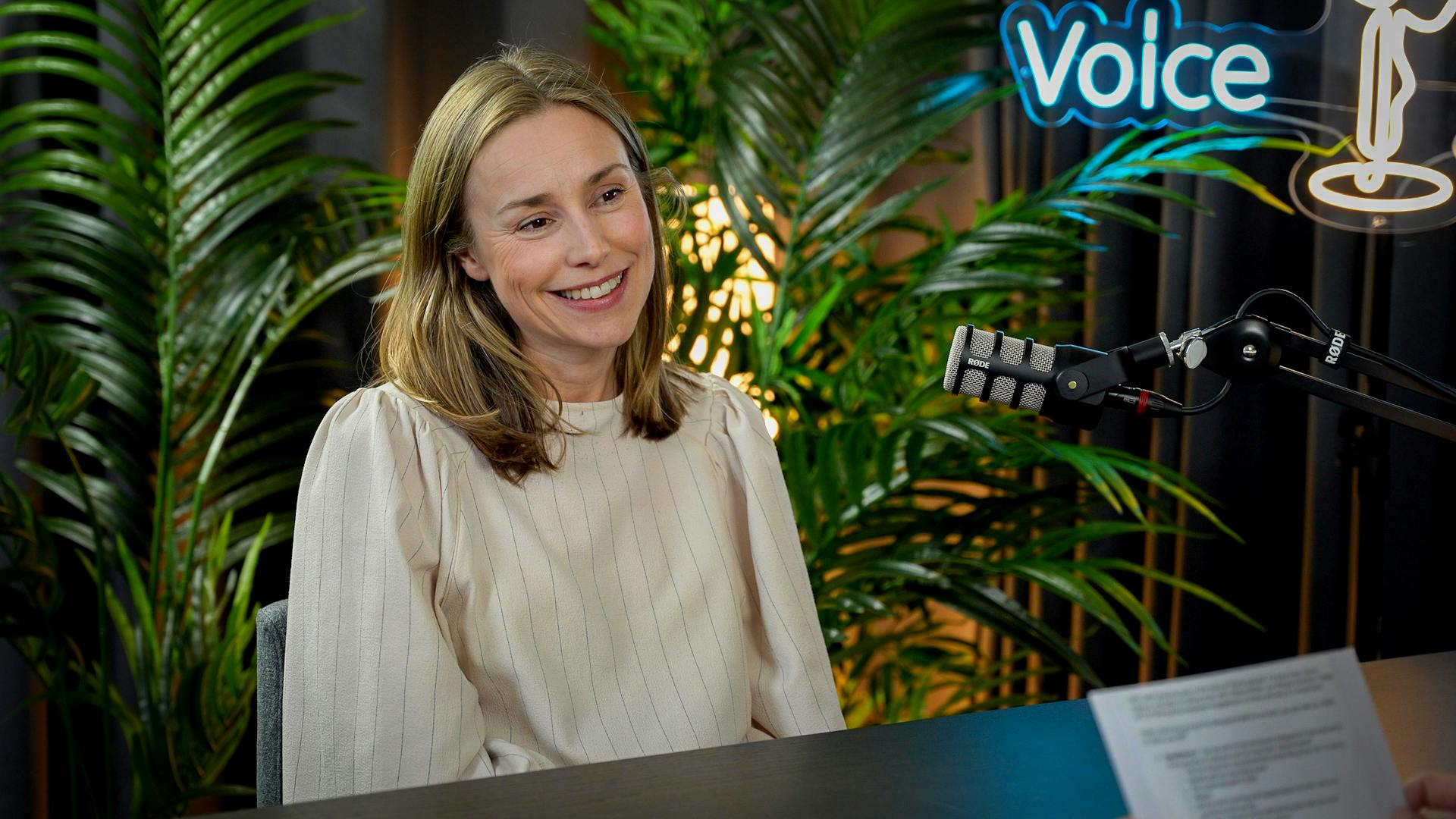
Voice of Visma
Welcome to the Voice of Visma podcast, where we sit down with the business builders, entrepreneurs, and innovators across Visma, sharing their perspectives on how they scale companies, reshape industries, and create real customer value across markets.

Diana Kigyossy

Benedikte Lyngbø

Holli Hatherly

Berit Braut

Mandy Burger

Victoria Bondarchuk

Jet Bouwman

Brian Ye

Lilja Helgadottir

Carina Ramsøy

Kejsi Gjordeni

Martin Olstad

Claus Dahl

Vlad Boldura

Kaja Falck-Ytter

Linn Kjærland

Ida Nicoline Glosimot

Stina Wahlsten

Pieter Bijl

Emily Northway

Rie Jørgensen

Henriette Veiby

Magnus August Lien

Philip Scarampi

Ari-Pekka Salovaara

Helle Hobbelhagen

Alexander Lystad

Ida Strande Markman

Amanda Lundius Mörck

Isabel Arkvik

Gina Ross Eriksen (former employee)

Juliette Prado (former employee)

Anne-Grethe Thomle Karlsen (former employee)
Related content